Remote Work

Start With What You Know

My conversations with aspiring remote professionals usually start out the same way: an anxious greeting, then a list of all their qualifications, then the most famous question in my DMs. “Tariro, what can I do with this?” I am sure a lot of them are surprised by my response, because I hardly ever talk about the qualifications they have just listed. Why? Because in the global remote work space, this hardly matters. What matters far more is what you can actually do, and how you can add value to people’s businesses and lives. Having a particular qualification doesn’t automatically qualify you for a particular job. Proving you can do the work, with evidence of real delivery, does that job far better. This usually gets people in a bind. “But Tariro, I want to do work around my degree.” I understand. I am sure you have been made to believe that this is how life works. I used to think that too. So let me tell you a short story about my own journey. How I Got Here I started working when I was around 12 or 13 years old. The job was to do anything my dad told me to do in the family event equipment hire business. And I mean anything. Over the years I was a receptionist, a cleaner, a customer service representative, a personal assistant, an executive assistant, a gatewoman, an IT support technician and a bookkeeper. When duty called, I would even go and help set up tents, tables and chairs. I did this for more than a decade, during school holidays and later during semester breaks at college. After college, having studied Computer Science, I landed my first “proper” job as a graduate trainee at a local bank. That became a career I eventually cut short, because starting an online business seemed like a good idea. A little over three years in, I walked away from that too and launched myself as a Virtual Assistant. A lot of people wondered why I would make such a transition. I was in middle management at a bank and my career appeared to be on the rise. I can tell you why for free. Being a Virtual Assistant let me use the skills I had gathered over the years in a far more creative way, and for a much wider audience. To be honest, I didn’t realise it at the time, but I wasn’t reaching for what I had learned as an IT Applications Manager. I was reaching all the way back to the skills I picked up sitting at the reception desk outside my father’s office, serving clients who were planning their events. The Mistake That Cost Me Years I had entered a space where nobody really cared that I had a Computer Science degree, or that I had worked through major banking system implementations, upgrades and integrations with some of the most influential financial platforms in the world. In fact, all of that confused people. So I found myself in a very strange place. Deep down, I knew I had what it took to serve as a VA. But I struggled to position myself as one, because my mind was so fixated on the degree and on what I thought the degree had qualified me to do. The result? In my first few years in business I struggled to find clients, because people simply could not understand what I was, or what I could do for them. A few years on, after learning from more seasoned Virtual Assistants, investing in coaching for myself, and quite simply trying again, I realised something. I had not been wrong to become a VA. I had been wrong about where I started the conversation. Every time I led with my qualifications, I buried the most important piece of the puzzle: what I actually knew. My skills, and how they could help people. That was where I was supposed to start all along. That was my point of strength. That was the zone I needed to serve from. “But Isn’t Computer Science What You Know?” At this point you might be wondering: but Tariro, surely Computer Science and your years as an IT Applications Manager are what you know? Isn’t that exactly the thing you should be leading with? My answer is both yes and no. Yes, because that training is real and it shaped how I think. Computer Science gave me a way of seeing systems, breaking problems down, and being patient with things that don’t work on the first try. I genuinely use that every single day to this day, in every role I have found myself in. But also no, because a degree is not the same as a skill. I can hold a Computer Science degree and not be able to write a single clean line of code, while someone who taught themselves code in their bedroom as a teenage hobby runs circles around me. The certificate proves I sat through a programme. It does not prove I can do the thing. Clients are not buying my programme. They are buying the thing. They are buying what you can do for them with the thing and how you can solve their problems with the thing. And the deeper truth is this: the most valuable thing I “know” was never on my transcript. It was learned at that reception desk long before university. It is knowing how to make a stressed client feel calm. How to listen for what someone actually needs versus what they first asked for. How to give a client what they ask for by probing into their desired outcomes. How to keep a dozen moving parts organised when everyone around me is panicking. That is what I was really selling. The degree was just the loudest line on my CV but it honestly was not the most useful. The Skills That Actually Travel When I finally looked honestly at my odd collection of

Start With What You Know Read More »

Work That Fits My Life: Lessons From Choosing Flexible Work

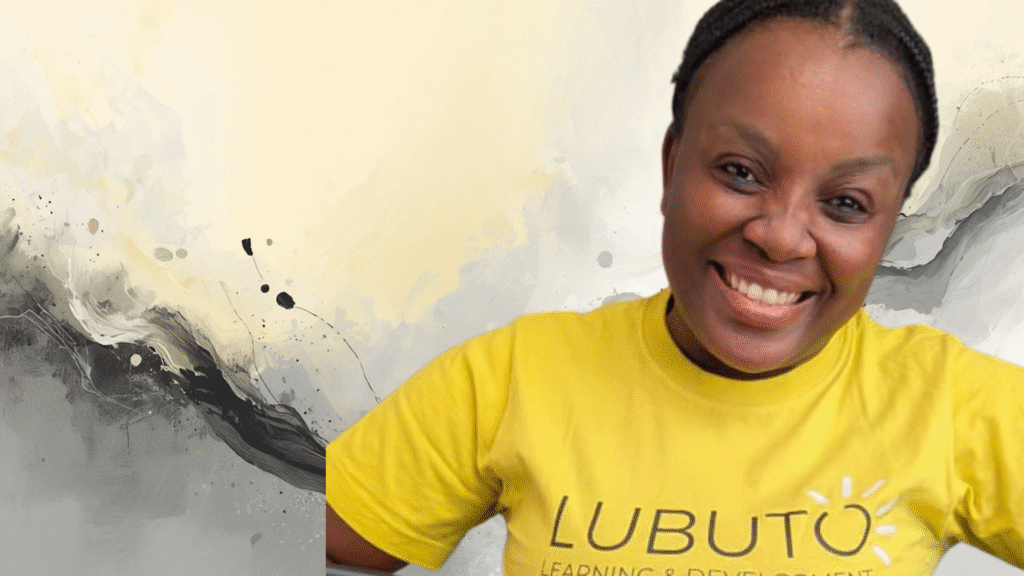
It’s been a little over six months since I was here. Imagine that! I’ve missed this. Writing, reflecting, talking into my microphone, sharing pieces of my story in real time. I have missed it so much. Stories I Tell has been quiet. I know it looks like I disappeared and I honestly don’t know how to make it not look like that. But the truth is: Life got very busy and very “loud”. Looking back, I think the silence had a lot to do with the intense levels of stress I experienced in Q3 and Q4, partly work-related and partly life-related. I’m talking about the kind of stress that no amount of sadza nenyama can fix. But, hey, even in the quiet, I’ve been here. Showing up where life “called me” and more than anything, working as hard as I possibly could to make sure there was a roof over our heads and food on the table. Truthfully speaking though, there’s only so much working hard one can do. God did most of the heavy lifting (as He always does 😊). So before anything else, I want to start with gratitude. Gratitude for His provision. I’m so grateful for the doors that opened at exactly the right time. I’m grateful for new projects, unexpected opportunities, and people…no…angels…who showed up just when I needed help navigating some very challenging seasons. Listen…2025 was that year 😅 A year of being stretched in every direction imaginable while still trying to hold on to some sense of calm and keep a brave face in the process. It’s a year that challenged me deeply around business, career and life. Mind you, this is not the stretching that was “admirable” or filled with feel good, Instagram-worthy captions and reels. Translate that to: At some point there were real tears that were shed. But regardless…not all of those challenges were bad. Actually, being stretched isn’t always a negative thing. There’s been so much growth and learning in some of it. I sometimes look back at certain moments and think, Wow… I can’t believe I handled that without losing it! These are situations that, a few years ago, would have completely driven me coo coo. I navigated them without losing my cool or falling apart. Despite the wild curveballs, I still choose gratitude. Because I’m still here breathing and able to write, speak, and share stories with y’all. And that alone is something I never want to take for granted. So… where have I been? Let’s start with the major update… Some time last year, one of my long-time remote work clients, who I’ve worked with on and off for over seven years now, invited me for an adventure. A new venture that would entail a very different mode of working to what we were both used to. Hybrid…with mostly in-person in the early days. But the idea of working in person again made me incredibly anxious. I hadn’t worked in a physical office in years. Remote work had become my way of living. The thought of navigating shared spaces, routines, and people again stirred up a lot of discomfort within me. I’m not lying when I tell you this: I had a few panic attacks just thinking of it and questioned whether I could even do it. And yet the opportunity sat right at the intersection of something I had been quietly praying for and really presented logistical convenience as far as how my life is set up right now. I was longing, hoping and praying for a Learning and Development role since the beginning of 2025. If you have been following my work in the last year, this is the kind of work I was even trying to create for myself. The kind of work my previous roles had already sparked a deep love for not just L&D, but also DEI (Diversity, Equity & Inclusion) and the Future World of Work. So after thinking, considering, contemplating, adding and subtracting…I said YES to leading operations at Lubuto Learning & Development particularly focusing on programme delivery and building efficient systems. And that yes marked the beginning of a season that challenged me professionally in all kinds of ways (mostly uncomfortable). The role has demanded that I apply myself productively which means tapping into very essential skills like operational efficiency, people and project management, change management, learning experience design, smarter use of technology, and navigating corporate politics. I have been learning (or should I say re-learning😅) a lot about Zim corporate business, people, learning itself, critical thinking and problem-solving in this environment. But more than anything, I have been learning something important about myself and the shift my remote work journey is experiencing. Remote work has given me freedom, focus, and autonomy for over a decade now. It has allowed me to survive seasons that required deep flexibility. One such season that comes to mind is when I was dealing with my father’s battle with cancer a few years ago. My son was still an infant and not so long after my dad’s passing, he was diagnosed with autism. Being able to work from home full time helped me negotiate flexible working arrangements that would allow me to show up in these seasons. Remote work has been good to me but if I’m being honest it hasn’t always been perfect. Sometimes remote work has felt lonely. I think I even wrote about this here when I was thinking of applying for my post grad degree. I had amazing colleagues in my previous remote role and I miss them so much. But I also really missed collaborating in person and just stepping out of my virtual environment to co-work in a shared space. Of course, I longed for all of this on my terms and it wasn’t smooth sailing for me when I had to embrace in-person work last August. Stepping back into a physical space reminded me of something. In‑office work can be overwhelming. Yeah, that hasn’t changed.

Work That Fits My Life: Lessons From Choosing Flexible Work Read More »

The Hidden Struggles of Remote Work & Freelancing

Today I woke up and didn’t feel like being here. At my desk I mean 😅 I didn’t want to get out of bed. I didn’t want to take out my laptop. I just didn’t want to do anything all thanks to exhaustion. I have had a rough week thanks to sleep deprivation. Yeah, some days are like that. And today I want to talk about those days and other ugly parts of remote work and freelancing we don’t often talk about. If you have found yourself wondering or even asking whether it’s always rainbows and sunshine in the remote work world, the answer is ‘No’. Keep reading to find out the unspoken truths a lot of us quietly carry. Sleep Deprivation & Boundary Creep I figured let me start with this one because it’s poking at me the hardest right now. Working remotely on multiple projects with multiple clients singlehandedly can take its toll on you. If you are having to juggle client work across different timezones, its only a matter of time before you start experiencing some fatigue and risking burnout. Then there is the boundary creep. Let me explain this one. You know many of us remote work professionals like to talk about how we have so much freedom. But what many of us do not like to admit is how this freedom often backfires and translates to more time spent in our corner offices pouring in more hours into our work, and less and less into the life around us. This is often true of myself especially lately as I have been working on multiple projects with multiple clients. I have found myself working from around 9am to 9pm, only breaking to go pick up my son from school and sometimes even waking up in the middle of the night to meet some deadlines. The result of such a routine is not pleasant. Less quality time spent with my child even though we are living in the same house and that can also come with its own consequences. And don’t even get me started on how sluggish and irritable I feel when I haven’t slept well. The Pressure to Always Be On My clients in the US are most active in the later parts of the day. My clients Down Under are most active when I am supposed to be lost in my dreams. And with the rest of my clients in between we are trying to find the best time that is not lunchtime or school run for them or myself. Because I work from home and need to serve and show up for all of my clients, in the best and fairest way possible, I find myself struggling to seperate work and rest. Even when I do make time to rest, I have this guilt that tends to creep in and a little voice that seems to whisper that I could be doing more with my time. I feel like the pressure I put on myself sometimes is a little too much and I know I am not the only one who has realised that they have to try a little extra hard to be intentional about giving themselves that downtime. The Feast or Famine Cycle Unless you are employed in a full time position, income in remote work and freelancing can be quite inconsistent. One month you are literally turning down work, and another you are getting anxious over an invoice you sent 5 minutes ago and are already wondering whether it got lost in the wind. Even in good months, you can find yourself getting anxiety regarding what lies ahead in the coming months because bills are consistent and don’t stop piling up. This can make it difficult to make long term financial plans because you need to create a huge buffer for those down months and plan for expenses that would need to be covered. No matter how old you are in the freelancing and remote work scene, you know this cycle can drive you mad! OK, let me speak for myself on this one. It may not be true for everyone. Personally, sometimes it just makes me want to pull my hair out and it’s honestly nobody’s fault. It comes with the journey. Isolation and Disconnection Some time last year I went through an episode of loneliness in my work. I longed for networking and human connection real badly and this was actually one of the reasons I found myself applying to get into a postgrad degree program. When you work remotely, there are hardly any water cooler chats and sometimes we take those casual check ins for granted. It’s easy to go for days without any meaningful interaction, especially if you live alone. And before you know it, your mental health is taking a hit and you are wondering why you are chronically sad. It’s the disconnection from others and unless you are intentional about building relationships and connections with others beyond your laptop, you will find yourself battling loneliness at heightened levels. Unstable Support Systems I always tell my aspiring remoties that you are not just looking for remote work. You are running a business. And unfortunately, it’s the business of you by you, for you and most of the times, with just you. You have to do everything. If something breaks, crashes, or glitches… there’s no IT guy. There’s just you, Google and ChatGPT. You are your own tech support, admin, customer service, marketing, sales, even therapist! Juggling these multiple hats can be overwhelming. I have days when I just don’t want to create content for LinkedIn, when writing a post honestly feels like a chore. But guess what? That’s all on me. I can’t make anybody else accountable for that unless I am paying them to make that happen. The Illusion of Flexibility Do you remember my article, ‘Beyond the laptop on the beach‘? When people hear remote work, they immediately think FREEDOM. Sure, I

The Hidden Struggles of Remote Work & Freelancing Read More »

Behind The Scenes: My Remote Work Income Sources in 2025 So Far

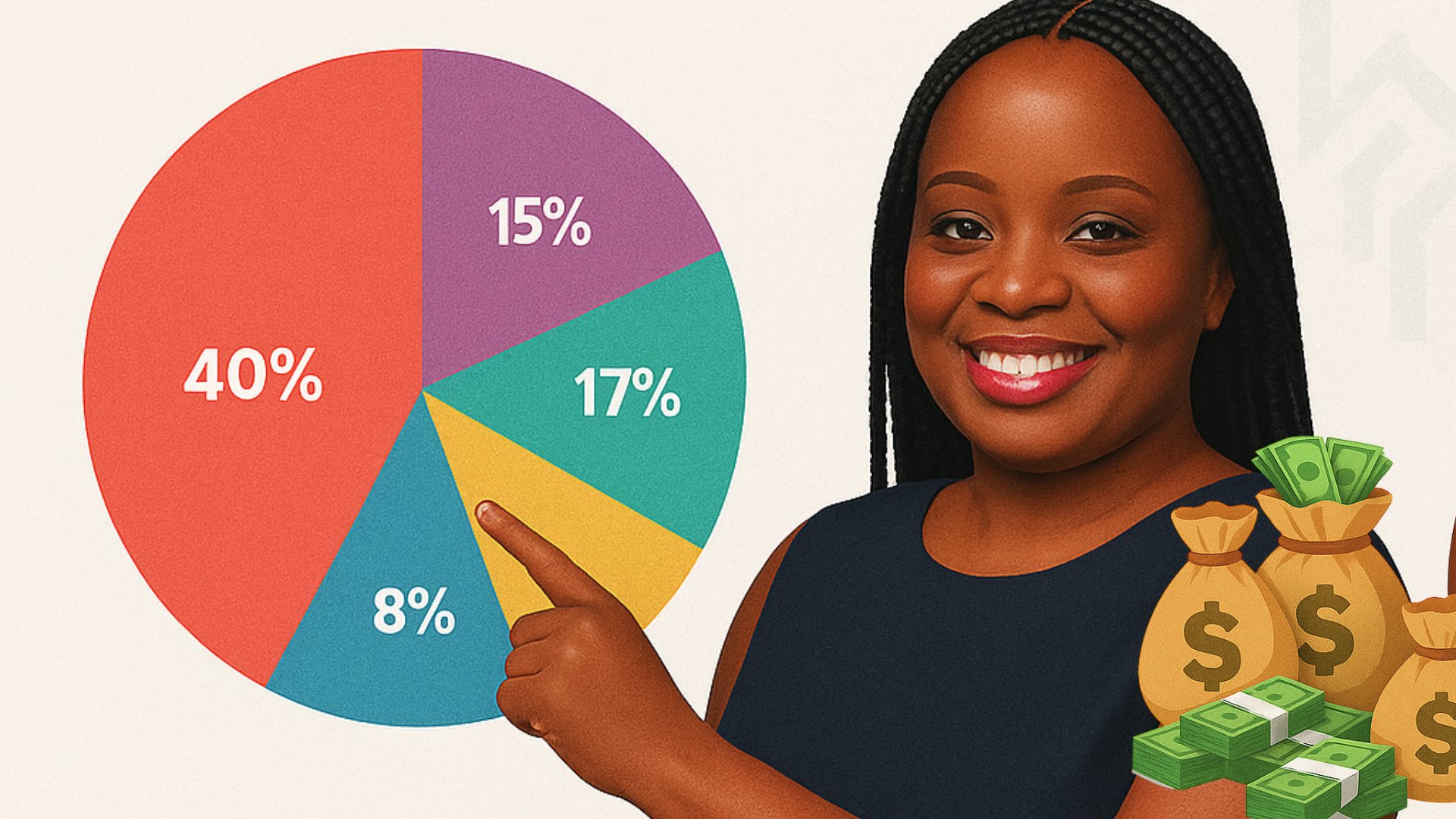
At the beginning of the year, I wrote a post about How to Get Remote Work Clients in Zimbabwe. It garnered a lot of attention and if I’m being honest, it also stirred up a mix of emotions, both from others and myself. Some of it was excitement, some disbelief, some skepticism and a little bit of critique. But the reason I shared that post was really to offer ideas and insight into what has worked for me in the 10+ years I’ve been working remotely both as a full-time employee and a freelancer. What I probably didn’t share back in January was that I was actually transitioning again. I had just stepped out of a full-time remote role and was returning to full-time freelancing and running my Online Business Management (OBM) services under my own business. As far as client contracts go, I was pretty much back to starting from zero. Fast forward to the end of June, the halfway mark of the year, I found myself doing some deep reflection. In fact, I had started reflecting back in April because, as any business owner knows, you start seeing what’s working and what’s not possibly right there at the 3-4 month mark.  So, here we are. I’d like to share with you a behind-the-scenes look at how I generated income remotely in this first half of 2025, partly for transparency, but also just to show you what’s possible, diversity of income streams and also the power of community, networking and maintaining visibility.   A Little Context On My Life and Work Setup I live in Harare, Zimbabwe, and I’m a co-parent to a toddler. I work 100% from home in rented accommodation. My internet connection is from Liquid Technologies, and I use the Pay-As-You-Go fibre billing model which has been working well for me since I decided to be more intentional (read: strict) about how I use my internet in the home.   My workday typically starts at 8:30 AM after school drop-off and ends around 7 PM. In between, I take breaks for meals, errands, or the school run. Most days, I’m seated at my laptop for about 7–8 hours whether or not I have client projects I am working on. More of that last part on another day. Now, let’s dive into the remote work income sources that contributed to keeping the lights on for me.  Income Source 1: Expert AI Training (40%) What It Involved: I worked as an AI trainer and data labeller with a global organisation called Pareto. Each project had its own structure, but most involved reviewing, labelling, or generating content for AI training. Even though you are registered as an Independent Contractor with Pareto, you have to apply and qualify to join each project and most times, you start out in a trial phase. The work is paid based on approved submissions, so quality matters deeply. You can’t just submit mediocre or substandard work and hope that it will be approved.  AI Training and Data Labelling was new territory for me, but I jumped in with an open mind and learned as I went. The projects were quite challenging but I learnt a lot along the way.  How I Landed It: Sometime in February, I met with someone at the WIDB Digital Skills Training of Trainers event. Later after this event, she reached out to me having realised that I am into remote work and recommended that I follow a post that she found in a Facebook group where women from Zimbabwe were creating a community to discuss remote work opportunities. Following her encouragement, I joined a WhatsApp group for Zimbabwean women interested in remote work. About a month or so later, someone from that group shared a Pareto project opportunity. I nearly didn’t apply (imposter syndrome is the pits I tell you), but with some encouragement from the woman who posted it, I went for it and made it in. Since then, I’ve successfully joined three other Pareto projects and managed to work on them as an independent contractor. Pros: Cons: Income Source 2: Web Design (25%) What It Involved: I offered starter WordPress website design for small businesses and startups. Most sites were around five pages, designed to give businesses a professional online presence without overly complex features. I was targeting mostly businesses that were getting online for the first time and also those that had tried to DIY their websites but got overwhelmed along the way.  How I Landed It: At the start of the year, I told my network of friends and family that I was actively focused on growing my web design portfolio. I shared my offer directly in their WhatsApp DMs and they went on to share with their friends and connections. From there, the projects started coming in. Some came from people I knew directly, others from those they referred me to. It has been growing organically from simple conversations and follow-ups. Pros: Cons: Income Source 3: OBM Services (17%) What It Involved: This is actually my signature service offering. As an Online Business Manager (OBM), I help business owners run their day-to-day operations, manage their teams, and implement key projects. In the first half of the year, I led special projects for an online community, started working on a podcast launch project, and supported backend operations for a growing digital business. I use a range of project management, automation, time management, collaboration and workflow management tools to help deliver value for my clients.  How I Landed It: This work came through referrals: past clients, colleagues, and friends who know my skills and trusted me to deliver. They found out that I was offering these services through the posts I was putting up on my social media channels, mainly LinkedIn and WhatsApp.  Pros: Cons: Income Source 4: VA/Admin Services (8%) What It Involved: Not sure if you know this but let me say it again…just in case. I actually started out in remote work

Behind The Scenes: My Remote Work Income Sources in 2025 So Far Read More »

How Chasing Shiny Ideas & Quick Wins Burnt Me Out

If you’ve been wondering why I’ve been quiet for nearly a month, I explain it all in the podcast episode linked above. But, in the meantime, here’s the story of how, I, someone who helps founders and business owners bring clarity and momentum to their ideas, got tangled in a web of my own. The Year Started With So Much Hope (And Unexpected Fear 😰) As 2025 began, I was transitioning out of my full-time remote role and back into running my online business serving multiple clients. I was excited. I had missed the thrill of working on diverse projects with clients from around the world. I saw it as a chance to reconnect with the remote work scene, something I had been longing (and procrastinating) to do for a while. But I was also terrified. I was scared of the unknown. I was scared of not having a predictable and regular paycheck. I was scared of not knowing how I’d find new clients in this new algorithm, ATS, tips and tricks, game-the-system driven world. But I chose to show up anyway. I had been mentally preparing myself for a couple of weeks, and when the time came, I hit the ground running fast. OK, maybe a little too fast…😂 The Passion Projects That Nearly Burned Me Out One of the first things I pursued was something I’d been feeling called to do for a while: coaching and mentoring aspiring remote workers on a somewhat large scale or bigger platform. This is something I had been wanting to do since I relaunched this blog last year in March. I’ve worked remotely for over a decade, and I wanted to share everything I’ve learned. No gatekeeping. No fluff. Just the honest, unfiltered truth, lessons and advice. It felt like the right time to dive into this mission because, hey, I now had more time. So I opened up my calendar to free 30-minute calls with anyone curious about remote work, especially from Zimbabwe. I also had an invitation to those who were willing to work with me further as part of a paid group coaching class or one-on-one. The response for the 30-minute calls was overwhelming, especially after the post about finding remote clients in Zim gained traction. My inbox and calendar were filled up. Before I knew it, I had done nearly 50 calls in a very short space of time. I was exhausted! Something I had started with the hope of adding value to the remote work community fast became unsustainable. I scaled back to one call a day, and eventually removed the free coaching calls from my booking page altogether. That wasn’t all. If you remember, from my last post, I also started Digital Skills Training this year. Again, there was an amazing response from my community and I had over 150 women enrolled. We’re actually just wrapping up with the first cohort but I must confess, I underestimated what was required of me running this large cohort and have since decided to go on a break before starting the next one. I genuinely love helping others and always want to make time. I would hate for anyone to walk out of my coaching and training and feel like they wasted their time and got zero value. Of course, it’s inevitable because our expectations not always the same. But I try to give as much as I can. And I guess that is where it gets sticky sometimes… As much as I love helping others, I realised I had to draw boundaries. Otherwise, there wouldn’t be much of me left to show up for my client work. This is the work that is and should remain my priority at the moment. And this is honestly the work that pays the bills. That was the first big red flag: I was giving too much of myself to something that wasn’t supposed to be my full-time focus. Chasing Quick Wins and Losing Myself In The Process Next came the scramble to generate income. I started offering quick-turnaround services like web design projects, social media management, anything that could get me clients easily and quickly. And it worked… for a while. But slowly, it started to feel off. You see, I spent a lot of time and energy in seeking out these quick turnaround projects and completely neglected something important along the way. I was trying to be everywhere, do everything, serve everyone. Along the way, I lost clarity in all my messaging and completely neglected promoting the core value I knew I could deliver for business owners outside of these quick turnaround services. I started to experience stress, a little confusion and a lot of burnout. More than once, a long-time client, who I resumed working with at the beginning of the year, asked me, “Tariro, what exactly are you doing these days?” I didn’t have a clear answer. I tried to dodge her every time she would ask this because I did not want another long lecture. I did not want her to tell me the truth. So I would just give her some vague responses sprinkled with excuses. But deep down, I knew I was drifting…not sure to where. Even on LinkedIn, when I (finally) slowly started stepping out to clarify on the work I do as an Online Business Manager, I got comments like, “I didn’t realise this is what you did. I need you on my project!”. I have a friend who only recently found out I design websites and reacted: “Wait… why am I just hearing this now?” My honest answer to all these questions from people who know me, who have worked with me, who are ready to recommend my work and services any day: Because I was jumping from one idea to the next, running away from committing to the one thing I know I am capable of delivering great value in. The one thing that ties together all of my “quick

How Chasing Shiny Ideas & Quick Wins Burnt Me Out Read More »

Should you quit your job to pursue remote work?

I hate this question. So much. Yeah, there, I said it. If you have ever asked me this, I thought you should know. But, trust me, it has nothing to do with you. It has everything to do with me. I struggle with answering this question because I feel like I never have a straightforward answer to it. When people hear my story of how I left my corporate banking job 11 years ago, I think they assume I was over the moon about it. Newsflash! I was not. I was terrified. I was relieved. I was scared of what could possibly happen or not happen. I was scared of failing. I was scared of leaving the comfort of a salary, medical aid, fuel and all the perks that came with the job and going back to having to figure out how to recharge my phone with a juice card. Tjo! I was afraid of running out of money (which I quickly did) and just struggling. Yet. I still made the decision to quit my job with all of these things in sight. Why? Well, my life was honestly set up differently then. I was in my 20s and living with my parents for starters and I had managed to convince myself that if it didn’t work out within x number of months, I would just go and look for job in corporate. And guess what? It didn’t quite work out especially in that first year but I found the highs of remote and flexible work so thrilling, I decided, “A luta continua!” and continue I did. Fast forward to today, my life is set up different. I don’t live with my parents anymore and I’m actually a parent myself. Would I make the same decision? Maybe yes. Maybe no. You see why I hate this question? Because it all depends on the circumstances. It depends on what’s at stake. Is it my child’s welfare? Is it my mental state? Is there something at stake? Because if my child’s welfare is at stake if I stay in an in-person job, maybe I work long hours or I don’t have childcare, I’m likely going to quit and look for flexible options. If my mental health is at stake if I stay in this in-person job, I may choose to stay and engage a therapist as a start or, if my savings permit, wave my colleagues goodbye. What am I saying? I am not in a position in my life where I would just choose instability or uncertainty without just cause. And yes, sometimes my mental health is just cause. Sometimes my child is just cause. Now, maybe you are asking yourself this question. You are probably burnt out in your job or fed up with your bosses or colleagues. What should you do? I would say pick whatever decision you like and be prepared to live with it. This is why… You have to own your decision. You can’t make it based on vibes, or because someone else seems to be thriving remotely, or because you saw a TikTok about working on a beach in Bali. You have to make it based on your own situation, your values, your goals, and what you’re willing (or not willing) to risk. Remote work is not a magic fix. It’s not always a better alternative. It’s just different. It has perks. Oh yes, it has perks! But it also comes with its own challenges. You might get flexibility, but you’ll also need discipline. Do you have it? You might get freedom, but you might also feel isolated. Can you stand loneliness? You might escape a toxic workplace, only to realise that you miss the energy of being around people. And if you’re thinking of quitting your in-person job to find a remote job, that’s another layer to consider. Remote jobs are so competitive. Are you ready to compete at the level they demand? Remote jobs also don’t always pay as well at the beginning, especially if you’re making a pivot. They can take time to find. Are you okay with that time gap? Do you have savings? A support system? A plan B or C? This is not to scare you. It’s to ground you. Quitting isn’t failure. Staying isn’t weakness. Choosing stability isn’t being boring. Chasing freedom isn’t being reckless. It all depends on why you’re making the decision and what you need right now. So, should you quit your in-person job to pursue remote work? Only you can really answer that. But here’s what I would say: Make sure you’re running towards something, not just running away from something. Make sure you’re aware of what you’re giving up, just as much as what you’re gaining. And whatever you choose, stand ten toes down in that decision. Learn from it. Pivot if you need to. You’re allowed to change your mind. I don’t have a straight answer. I never have. But I do know this: your life, your season and your priorities matter. Let them guide you Before you make the leap, ask yourself: What matters most to me right now? What am I willing to risk, and what do I want to protect? Let your answers (not fear, not pressure, not Instagram posts or a TikTok or YouTube influencer) lead the way.

Should you quit your job to pursue remote work? Read More »

The Only Constant In Life Is Change

Before I get into this blog post, please take a moment to join me in a little celebration… 🎉 🥳 👏 🙌 🎊 March 1st happens to be the anniversary of my remote work journey. Today marks 11 years of this wild adventure, and I am just in awe of everything it has been. Some years, I have chosen grand celebrations, like back in 2019 when I turned five in this game and really felt like I was da bomb diggity bomb. I was so excited that I booked a photoshoot, had celebratory t-shirts printed, and even treated myself to a dinner outing. Other past few years, however, I’ve kept things low-key with a simple post here and a quiet website update there. But every year, I find a way to make the day special for me. Last year, on this very day, I launched this blog. This was my third attempt at blogging since I started working remotely, and for the first time, I feel like it’s working. Why? Because I am showing up as me and writing what I want to write. Yes, simply that. This is actually my 33rd blog post on this blog, and I couldn’t be more excited about the many more to come. In the past, I wrote with so much restraint, constantly questioning myself:If I share this, won’t people think I’m crazy?If I say that, won’t they think I’m exaggerating?What if they talk about me behind my back? These thoughts often stopped me from writing authentically. I was scared of sounding like me. I was even hesitant to use “LOL,” fearing it would make me seem unprofessional. I tried so hard to sound polished, composed, you know, like someone else. But all that did was drain my passion for writing, and I kept chasing other shiny distractions. However, as I grow older and experience more of life, I realise how much we need real stories. Stories that resonate. Stories that show the whole journey. Not just the highlight reels, but the ups and downs, the wins and losses, the mistakes and failures, the perseverance and grace, the hard work and favour, the prayers and victories. And everything in between. Those are the stories I prefer to tell. The real ones. The unbelievable ones. The scary ones. The amazing ones. The sad ones. The ones where I learned. The ones where I grew. When I write about my journey in remote work, tech, and life, I still feel that little tug of self-doubt, wondering what people might think. But then I remember my why. There is someone out there I am meant to serve with every story I tell. That one person. As much as I enjoy writing (a lot!), this journey is not just for me. It’s for the hundreds of readers and listeners who tune in each week to learn something, to hear a relatable story, or simply to let me keep them company for a few minutes. The Evolution of My Work and Identity When I started working remotely, I was in my 20s. If God wills, I’ll be celebrating my 40th birthday next year. And if there’s one thing I’ve learned in this time, it’s that change is inevitable. In fact, we should be concerned when we remain the same. Back in 2014, when I left my job, I stepped down from a middle management position to become a Virtual Assistant. But over time, I stopped serving like one. My leadership and managerial experience naturally kicked in, and I found myself offering more than clients had signed up for because it just felt right and the giver and helper in me just can’t help giving and helping endlessly. Then, when I got pregnant with my son, I decided to take a break from work. I just didn’t have the same energy I had before. I remember one client saying, “You know, you could come back from maternity and not want to be a Virtual Assistant anymore?” I dismissed it instantly. How could I? Being a Virtual Assistant had become my identity. I was Tariro The VA. There was no way I could want anything else. Or was there? When I returned to work, my son was about four months old. Tariro The VA was back! My past clients were excited to resume, but something felt different. Suddenly, I felt a conflict within me. There was more I wanted to do, but I didn’t know how to package it for myself or my clients. So, I sought help. That’s when I met Sarah Noked and joined her OBM (Online Business Manager) coaching program. It was a turning point in my remote work journey. You know what I always say: You don’t know what you don’t know. Sarah opened my eyes to the gaps in my approach and execution, and she gave me the confidence to rebrand myself as an OBM. Within months, things started shifting. And, well, the rest is the story I continue to share here. Part of that story includes embracing a tech role and leveraging my experience to contribute to a mission that shaped my career in ways I never imagined. Had I resisted change, clinging to the Tariro The VA label, I wouldn’t have had the experiences that shaped me over the past few years. The Uncomfortable Beauty of Change Change is not simple. It is, to be honest, very uncomfortable. But staying the same is far worse. When we refuse to change, we risk stagnation. And when we’re stagnant, we’re not growing. And when we’re not growing, we’re hardly learning. Change pushes us out of our comfort zones. Because while comfort is tempting, it often blinds us to opportunities that could change our lives. It keeps us from meeting the people who could become our destiny helpers. When we resist change, we miss out. As I step into another year of remote work, I’m making a conscious effort to resist the temptation of comfort. I

The Only Constant In Life Is Change Read More »

Your Skills Are More Valuable Than You Think

Did you know that you don’t have to start from scratch to land a remote job? The skills you already have might be your ticket to working from anywhere! One of the common questions people ask me when considering remote work is, “What can I do remotely with my skills?” or “I am currently a [insert a job title]. What can I do remotely?” My answer to this is simply: Start with what you already know. One of the beauties of remote work is that it doesn’t require you to reinvent yourself from scratch. Instead, it gives you the opportunity to build on your current skills, adapt them to digital work environments (because that’s the heart of what remote is), and grow into new opportunities over time. I left a managerial tech role to become a Virtual Assistant eleven years ago. I was able to immediately apply skills from that job and my previous experiences, even though they weren’t all tech-related. These skills helped me move forward in my new role. That doesn’t mean my tech skills became irrelevant; they were just applied in a different way. I feel like many people underestimate the value of the skills they already have. Whether you have experience in administration, HR, marketing, customer service, finance, or any other field, there’s a remote opportunity that can leverage your expertise. Think about what you already do well, what people often ask you for help with, and what tasks you enjoy doing. These are usually great indicators of where to start in your remote work journey. Here a few example to help you brainstorm… If you excel at administrative tasks or are naturally organised, both in your own work and when supporting others, a Virtual Assistant role could be a great fit for you. Back in 2014, I chose to become a VA because I genuinely enjoyed helping, supporting, and organising, especially for small business owners. Even in supervisory or leadership roles now, I remain the same kind of person who is just naturally inclined to help. Do you have experience in or a passion for customer service or client-facing roles in any industry? If so, exploring remote roles in Customer Success, Customer Support, or Customer Experience in remote-centric industries could be a great opportunity. Personally, I love client and user support roles, especially in remote settings. I believe many businesses could better serve their clients, and whenever I’m in such a role, I go all in to ensure customers are satisfied with the support they receive. If you share this passion, you’ll thrive in a remote client care role because when you treat clients well, your work will speak for you and you’re set to thrive. If you have experience in teaching or training, online education and course creation have been booming industries, especially since the pandemic. I may be a little biased because I enjoy working in this space, but the opportunities are undeniable. In recent years, many teachers and trainers in developed economies have been learning skills like User Experience (UX), Learning Experience (LX), and Instructional Design to transition into remote education-focused roles. Here in Africa, some teachers realised the possibilities of online education during the pandemic and never looked back. These are just a few examples of how you can transition from one role to another without necessarily starting from scratch but starting from your experience. Keep Learning & Growing It’s important to understand that remote work is dynamic. No two clients or companies operate the same way or use the exact same tools. You might even find yourself working with multiple teams, each using different platforms for communication, for example. This makes continuous learning essential. As you gain experience, you’ll identify gaps in your skills and areas for improvement. Investing in upskilling, whether through online courses, mentorship, coaching, or hands-on practice, will help you stay competitive and unlock new opportunities. Some key skills that are valuable in remote work include: While technical skills get your foot in the door, soft skills help you thrive in a remote work environment. Since you’re not physically present with your team or clients, how you communicate and collaborate matters a lot. Some essential soft skills include time management, proactive communication, adaptability and self motivation. Who is hiring for remote roles? Many businesses have fully embraced remote teams, with some industries being more open to remote hiring than others. Though return-to-office (RTO) mandates have been making headlines, many companies remain committed to remote work because it makes financial and cultural sense for them. Understanding where the opportunities lie can help you align your skills with the right roles. Industries with strong remote hiring trends include: Why tech should be your BFF Regardless of your role, technology is no longer optional. It’s now a necessity. Every job now has a digital component, and the better you are at using tech as a tool, the more efficient and effective you will be in your role. For example a Virtual Assistant who knows automation tools like Zapier can save time and add more value. If you’re a marketer who understands AI-driven analytics, you have the potential to create more effective campaigns. A customer support agent who understands how chatbots and CRM systems work can handle client requests more efficiently. So instead of fearing technology, see it as a tool to help you work smarter, not harder. You don’t need to be an expert in coding or data science. However, having a tech-friendly mindset will give you an edge. If you read my previous post, this will probably sound like repetition but I honestly believe this deserves to be emphasised on a few more times. Next steps? Remote work is full of opportunities, but success starts with recognising what you already bring to the table. Build on your existing skills, keep learning, refine your soft skills, and embrace technology. The more adaptable and proactive you are, the more doors will open for you in the world of remote work.

Your Skills Are More Valuable Than You Think Read More »

Remote work is not just for techies

Ever since this post decided it wanted to blow up, I have had many Introduction Calls booked with amazing individuals. They are interested in working remotely but don’t know where to start or where to look for opportunities. I’m glad to have shared my experience with them and offered a few pointers to help them get started. I even have a very smart and enthusiastic recent school leaver who landed a remote role working just a few hours a week through my network. Unfortunately, I need to say this here and now (again) that I don’t have a pool of remote jobs waiting. I share strategies that help aspiring remote workers land remote roles. Now, in most of these calls and conversations I continue to have with people who wish to pursue remote work, I have realised that there is a common misconception that remote work is only easy to get for those who work in tech or some kind of IT function. I have gotten used to hearing statements like, “It’s easy for you ka imi ana Tari vari muIT” or “But experience yangu inoita here iyoyi kuRemote?” (Translation: “It’s easy for you Tari because you are in IT” or “But will my experience be relevant for a remote role”) I thought to write this post to speak to those who may be thinking this and are wondering how they can actually get remote roles when they are not techies. Let me start with a story… When I left my job in 2014 to become a Virtual Assistant, I was working in tech. I was an IT Manager for a local bank in Zimbabwe and led the team that was developing and supporting our banking applications. When I decided to become a Virtual Assistant, I was signing up for a job that had nothing to do with tech. The only skills I took with me into this new role were reading, writing, communication and basic computer and internet literacy. I believe most people who can operate a smartphone, computer, and navigate at least one social media platform with ease (even just to socialise) would have also qualified. As I was drafting this article, I decided to go back to my very first client contract from 2014 and review the tasks I was contracted for. There was absolutely nothing related to my previous job. Yet, I managed to maintain this client relationship for seven years, and they paid me consistently over that period. There were seasons in which I wouldn’t have client work, and this client’s work paid to “keep my lights on”. Yes, something that had absolutely nothing to do with IT. I have worked with clients as a Virtual Assistant doing all kinds of tasks that have nothing to do with tech, including helping a client plan her wedding! You might be wondering, “But, Tariro, is that still remote work?” In my world, it is, because I was hired online and coordinated with service providers using various internet tools like Whatsapp and email. I only had to show up the day before the wedding for my client. Seeing everything come together beautifully, getting to wear my lovely dress, and joining in the wedding party was such a rewarding experience which I have shared in the past on my IG here. There are so many roles that are not necessarily tech roles in which you can thrive and earn a decent income as a remote professional. I think we need to separate something being of a tech nature from digital literacy and having digital skills. Whether we like it or not, we are now deep in the digital age, and to thrive in this evolving work environment, you need to have some level of comfort working with basic tech tools. You need to know how instant messaging applications work, and this goes beyond WhatsApp and Facebook Messenger. In the world of remote work, you also need to be proficient with applications like Slack, Microsoft Teams, Google Chat, and Telegram. Grasping how these applications work will help you collaborate more effectively as part of a remote team. If you want to become a Virtual Assistant, you need to learn how to make the most of email applications like Gmail and its integrated tools like Calendar, Zoom, and Google Meet. If you are handling operations within a team, you need to get comfortable working with project and team management tools like Asana, Trello, and Monday. As a freelance writer, you should learn how to use tools like Grammarly and ChatGPT to support your creative work and increase your efficiency. You want to also learn SEO skills to write for better ranking on search engines. As a marketer, you want to know how to maximise automation tools like ManyChat to achieve better engagement on your campaigns. All of these are just examples of non-tech roles that require professionals to embrace tech and use it to be more efficient in their work. So when you think of remote work, don’t assume it’s only for tech professionals. It’s for those who are willing to learn digital tools and commit to upskilling in the digital space. You need to get comfortable using different tech tools to enhance your work because recruiters, agencies, and business owners are looking for professionals who can do this effectively. CVs are great—I have one! But to be honest, not one remote job I’ve worked in the past 11 years has required me to submit it. What mattered more? How I communicated my skills and my ability to demonstrate that I could do what I claimed. The only way to gain the confidence to say this and back it up is to commit to learning and taking action. Don’t disqualify yourself from remote work opportunities just because they seem unfamiliar. If you desire flexibility in your work, start by equipping yourself with the right skills. If you’re unsure where to begin with learning digital tools that will help you navigate

Remote work is not just for techies Read More »

What Does Success Mean When You Work Remotely?

There are many reasons people choose to work remotely. Some are looking for a supplementation of their income, whilst others are looking for a more flexible way to work because they have a disability, young or special needs dependants, or they just want it that way. Whatever one’s reason is to choose this mode of working, it’s important to define the reason you want to work remotely for yourself because this is how you will be able to measure whether or not you are being successful on this path. Personally, when I started out working remotely over a decade ago, I really wanted three things. I wanted to help small businesses and individuals operate more efficiently. I wanted to be able to work from anywhere. I wanted money to fund my desires to travel to different places as and when I wanted. However, here’s my truth. The first and the second were almost easy to attain and say, I am succeeding at this. I was working with small businesses in various industries and really could do it from anywhere. I was not obligated to work in one place. The third piece, though, was a rollercoaster. A seesaw. Up and down. There were times when I would make money to spare to travel, and there were times when I would really be on struggle trips, counting those coins with a racing heart in the middle of those travel moments. But you know what? I was happy (for the most part). However, because my goals have since shifted, especially after I became a parent, I have days when I say to myself, You know what? Maybe I shouldn’t have gone on that trip. Could have saved those coins for something better. There are days… OK? So given this background, I really want to talk to you about what success should look like when you are working remotely. Should you make $20K a year? $50K? Over $100K? Should you travel to Europe every year? Should you buy a car every year? Should you buy a stand every year? Should you be able to rent in a certain part of the city without having your finances cough? Should your children be in a certain kind of school? Should you frequent certain restaurants where you can work and take cute pictures from? Should you positively impact businesses and make a difference in how they operate while also contributing to their revenue? Should you be able to define your working hours and have time aside for your family and friends without having awkward conversations with your boss about why you cannot work this weekend? I could go on. Do you know why? Because success looks different for each one of us. What is a priority for me in 2025 may not be a priority for you. We all want different things at different times in our lives. And it’s so easy to get caught up in wanting all of these things at once. But do we really? Personally, I am on an ever-learning journey of prioritising my needs and wants. Of the many things I want out of this life, there are a few that are incredibly important to me when it comes to defining success in remote work—and they haven’t really changed much from my initial reasons, to be honest. What Success Means to Me Firstly, flexibility. This is so important to me, especially considering my son’s condition and being a single parent. It’s important to me that I am able to show up for him as and when he needs me. Not to be mistaken with showing up with mediocrity, though. Far from it. I am still going to work to deliver my best for my clients. However, it’s very important to me that I don’t get side-eyed when I have to cut a call because he’s having the mother of all meltdowns or I have to assist him with potty routine in the absence of my helper. I don’t want to feel awkward because I have to show up for him or any other loved one. A few years ago, my dad was in hospital suffering a long battle with pancreatic cancer. I would go visit him at nearly every visiting hour and stay the full hour. In between, he would see me on my phone responding to messages. One time, he asked me, Aren’t you supposed to be at work? And I said, Daddy, I’m working remotely. I can respond to messages anytime and can just step out if I need to be on an urgent call. Then he asked if me being there that often wasn’t an issue. I said no. They know I’m here, and they know you are not well. He would ask me the same questions on some occasions when I would need to take him or pick him up from chemo too. However, on this day, he told me, You work for good people. I don’t even remember what I responded back, but I felt what he said. It’s important to work for kind people. It’s important to work for people who afford you the opportunity to show up fully in other parts of your life outside of work. It’s important to have flexibility because life happens to everyone, anytime. I’m blessed to have worked with people who understand this over the years. They make my work more pleasant and motivate me to show up as my best, most authentic self. Secondly, money, money, money. And it’s not even to travel to some resort somewhere for vacation every now and again. Money for basic living. Everything is expensive! From child care to food to the internet itself that allows me to do all of my work. I’m not even talking about luxuries (yet!). I’m sure you’ll agree with me that, the world over, the cost of living is not to be messed with, especially after the pandemic. I’m not even going to dance around this one.

What Does Success Mean When You Work Remotely? Read More »